
Teach English in Bangkok
We have trained teachers in Bangkok since 2007, and our recruitment team has been finding teachers for schools here for 19 years. This page explains what teaching English in Bangkok is really like: who hires, what you earn against what you spend, where the jobs are, and how to get started.
Key facts
- Who hires: private and bilingual schools, kindergartens, international schools and language centres.
- Pay: 35,000 to 70,000 THB a month in private and bilingual schools.
- Living costs: about 25,000 to 35,000 THB a month in the examples on our salary page.
- What you need: a bachelor degree in any subject, a TEFL certificate of 120 hours or more, and a clean criminal record check.
- Money to bring: 100,000 to 150,000 THB to cover your first weeks.
- Next TEFL course in Bangkok: starts 4 January 2027.
English Teachers in Bangkok: Who Hires
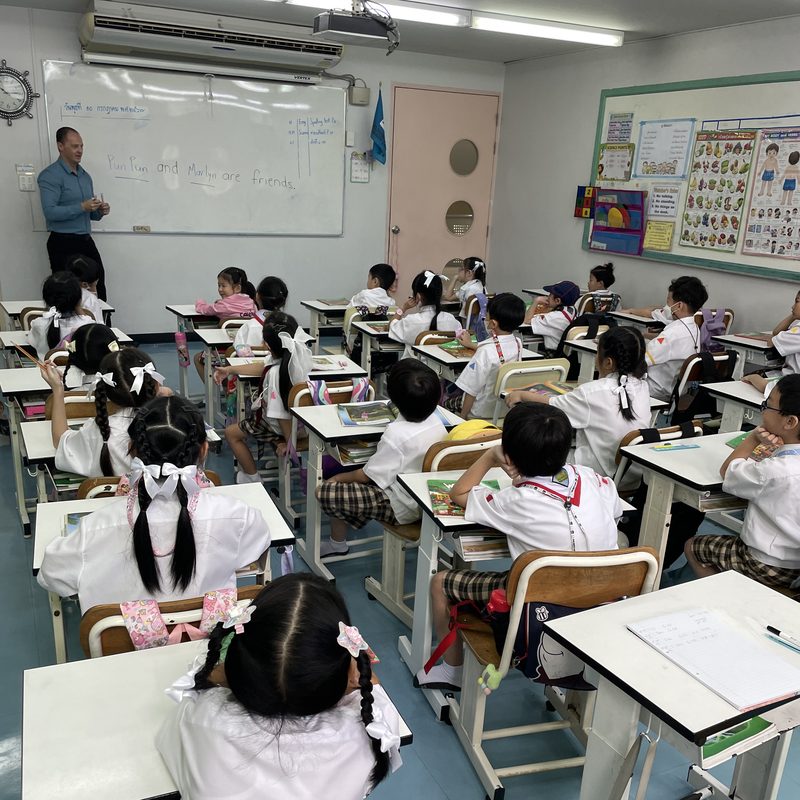
- Private and bilingual schools. You teach English from kindergarten to high school, with structured hours. Our recruitment team places teachers in these schools.
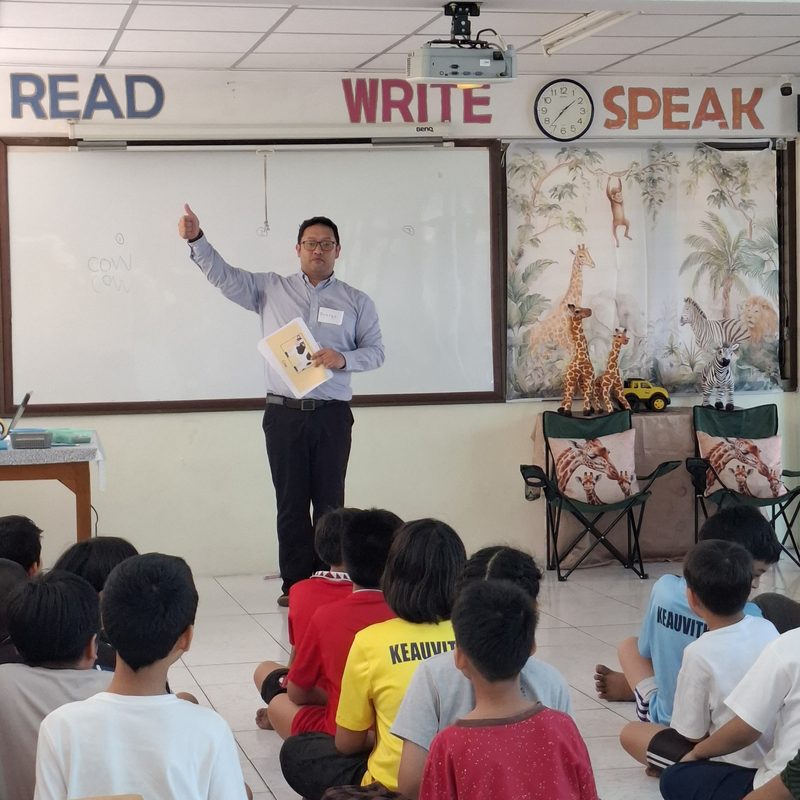
- Kindergartens. A common starting point for new TEFL graduates. You teach phonics, songs and early English to young learners.
- International schools. They follow British, American or IB curricula and pay the most. They usually ask for a degree in education or a teaching licence, and classroom experience.
- Language centres. You teach children, teenagers or adults in the evenings and at weekends.
- Company and online teaching. Some teachers give business English lessons at companies, or teach one to one and small groups online.
Where the Teaching Jobs Are in Bangkok
Roles we have recruited for have been in central Bangkok, near Sathorn Road and Chong Nonsi BTS, near Ari BTS, and in Pak Kret, Nonthaburi, just north of the city. The BTS Skytrain and MRT make it easy to get to work. Our training centre is a 5 minute walk from MRT Lat Phrao.
These are the Bangkok roles we are recruiting for now:
For hiring times, visas and how to apply, read our page on TEFL jobs in Thailand.
Pay and Cost of Living in Bangkok
What matters is what you have left at the end of the month. These examples are from our salary guide, in THB a month.
| Example | Pay | Costs | Left over |
|---|---|---|---|
| Public school, Bangkok | 35,000 | about 25,000 | about 10,000 |
| Private school, Bangkok | 52,000 | about 28,000 | about 24,000 |
| International school, Bangkok | 120,000 | about 35,000 | about 85,000 |
As of August 2026, teachers we placed in private and bilingual schools started on 45,000 to 50,000 THB a month. Many of our teachers also take paid after school classes at 600 to 1,000 THB an hour.
Many private and international schools offer housing or a housing allowance, and most full time positions include some health insurance. Ask for every benefit in writing before you accept a job.
Our guide to English teacher salaries in Thailand has the full figures and a savings estimator.
Teaching in Bangkok or Chiang Mai
Pay is higher in Bangkok, and so are living costs. In the examples on our salary page, a private school teacher in Chiang Mai on 45,000 THB saves about 27,000 THB a month, and a private school teacher in Bangkok on 52,000 THB saves about 24,000 THB.
What Bangkok gives you is choice. The city has a large number of private and bilingual schools and kindergartens, and the BTS Skytrain and MRT to get around. Chiang Mai has lower prices and a slower pace of life.
What You Need to Teach in Bangkok
- A bachelor degree in any subject. It is normally required for legal school teaching. If you do not have one, read our guide to teaching English in Thailand without a degree.
- A TEFL certificate of 120 hours or more. Nearly all reputable schools ask for one.
- A clean criminal record check from your home country.
- Proof of your English. If you are not from a native English speaking country you need a recognised test score. See our guide to teaching jobs for non native English speakers.
- A Non-Immigrant B visa and a work permit. Your school sponsors both. Our Thai visa and work permit guide explains each step.
Money to Bring and Living in Bangkok
We recommend bringing 100,000 to 150,000 THB. This covers your accommodation deposit, which is usually two months of rent, your living costs during the course, and your expenses until your first salary. Most schools pay at the end of the month.
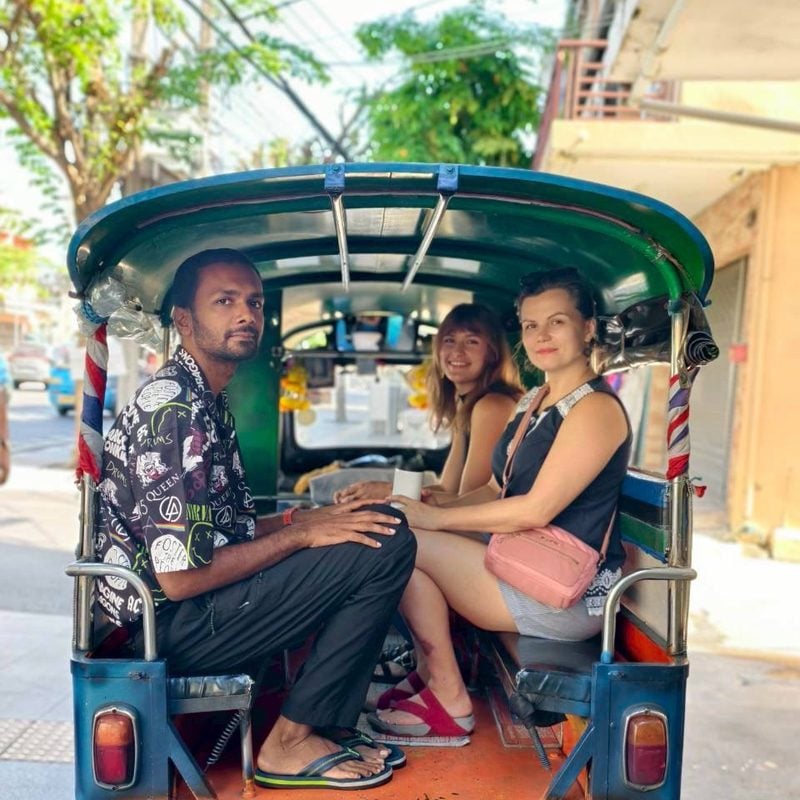
For housing, transport and daily life, read our guide to living in Bangkok and our page on student accommodation in Bangkok.
Start With a TEFL Course in Bangkok
Our TEFL course is 120 hours over four weeks, in person in Bangkok, with teaching practice in real Thai schools. Read more about the TEFL course in Bangkok, or the TQUK Level 5 TEFL course with 168 guided learning hours.
Next course start dates
- 4 January 2027
- 8 February 2027
- 15 March 2027
- 26 April 2027
Classes run Monday to Friday, from 10am to 3pm or 4pm. See all dates and fees.
After the course we help eligible graduates look for teaching work through Essential Educational Staffing, our own recruitment team. You get help with your CV, practice for interviews and demo lessons, and introductions to schools. To be eligible you must be a native English speaker and hold a bachelor degree. The school always makes the final hiring decision.
Read more about how our job placement support works.
Our graduate stories page shows some of our teachers at work in Bangkok schools.
Questions and Answers
Will I get a job in Bangkok after the TEFL course?
Nobody can promise that, because schools make their own hiring decisions. To work legally you need a bachelor degree, a valid passport, a visa and in most cases a police clearance from your home country. We help eligible graduates look for teaching work, with CV help, interview preparation and introductions to schools.
How much do English teachers earn in Bangkok?
Private and bilingual schools pay 35,000 to 70,000 THB a month. As of August 2026, teachers we placed in private and bilingual schools started on 45,000 to 50,000 THB a month. International schools pay 80,000 THB or more and need a teaching licence.
How much money should I bring with me?
We recommend bringing 100,000 to 150,000 THB. This covers your accommodation deposit, which is usually two months of rent, your living costs during the course, and your expenses until your first salary. Most schools pay at the end of the month.
Does the course fee cover flights or accommodation?
The course fee covers your 120 hours of training, your certificate and the course outings. Flights and accommodation are not included, but we can advise on affordable places to stay near our training centre.