
Next TEFL Course Starts Aug 3! Apply Now
HomeTEFL Course › Teaching Practice
Essential TEFL Level 5

Teaching Practice

Building Confidence Through Real Classroom Experience

One of the biggest challenges for new teachers is standing in front of a classroom for the first time. You can study grammar, lesson planning, phonics, teaching methodology, classroom management, and language awareness, but teaching only starts to make sense when you begin working with learners.

Teaching practice gives trainees the opportunity to apply what they have learned in a classroom environment before starting work as a teacher. For many students, it is the point where everything begins to come together — where theory becomes practice, confidence starts to grow, and trainees begin developing the skills needed to succeed in the classroom.

Teaching Practice

Practical experience in real classroom environments

Classroom Confidence

Built gradually through preparation and delivery

Professional Feedback

Guided development from experienced trainers

Employment Preparation

Skills that schools actively seek when recruiting

Why Teaching Practice Matters

Most schools are looking for teachers who can communicate clearly, manage a classroom, follow a lesson plan, and engage learners effectively. Teaching practice helps bridge the gap between teacher training and employment. Rather than simply learning about teaching, trainees begin learning how to teach.

Teaching practice helps develop:

  • Classroom confidence
  • Lesson delivery skills
  • Communication skills
  • Professionalism
  • Classroom awareness
  • Adaptability
  • Time management
  • Learner engagement

These are skills that cannot be fully developed through theory alone.

Learning By Doing

Teaching is a practical profession. Just as you cannot learn to drive a car by reading a book, you cannot become a confident teacher without practical experience. Teaching practice allows trainees to experience the realities of classroom teaching while working in a supportive learning environment.

Students learn how to:

  • Deliver activities
  • Give instructions
  • Monitor learners
  • Check understanding
  • Respond to questions
  • Manage classroom behaviour
  • Adapt when lessons do not go exactly as planned

These experiences help build the confidence needed to teach independently.
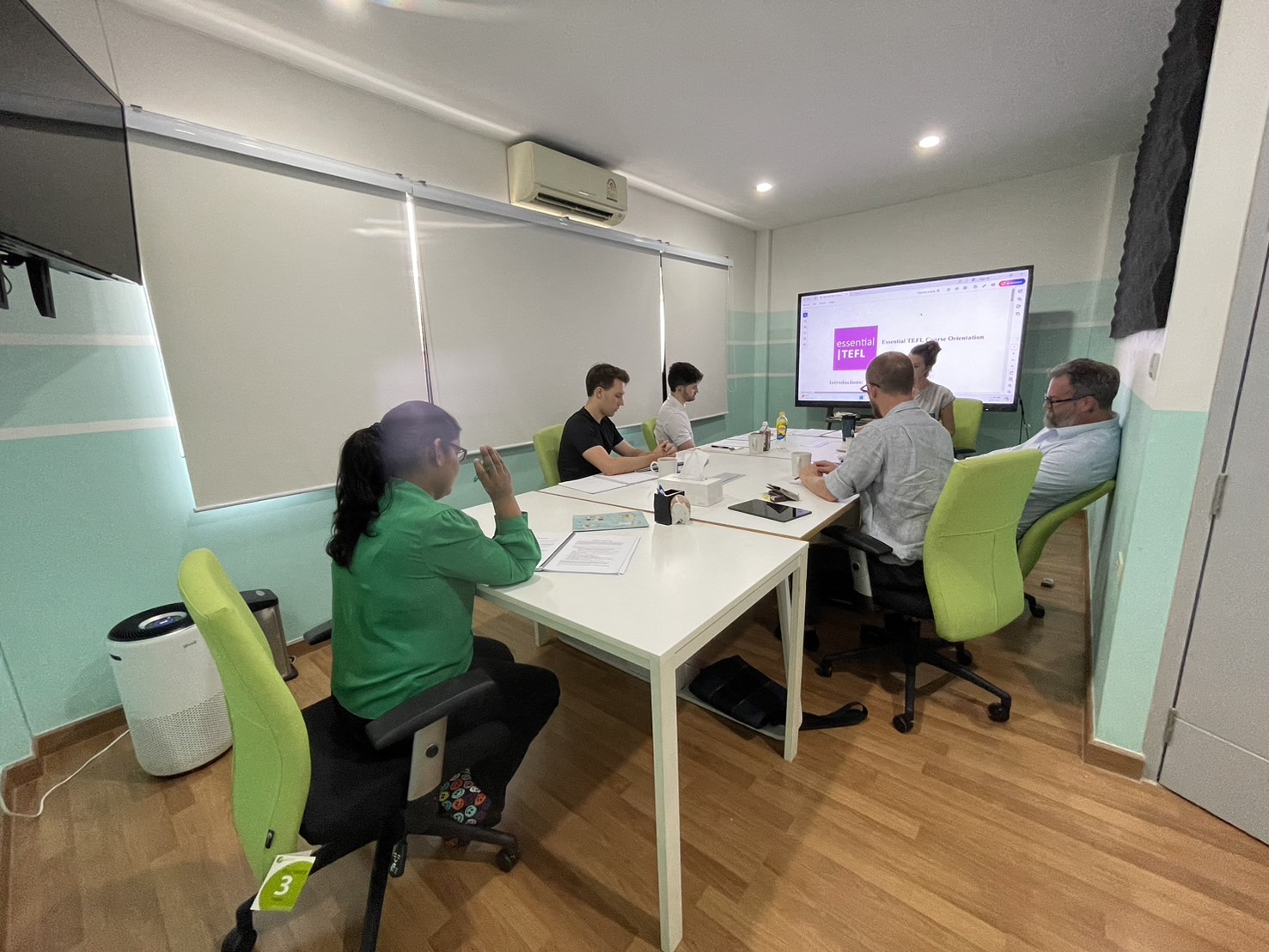
Trainee teacher delivering a lesson in Bangkok during Essential TEFL teaching practice

Building Classroom Confidence

Most trainees arrive with little or no teaching experience. Feeling nervous before teaching your first lesson is completely normal.

Teaching practice allows confidence to develop gradually through preparation, lesson delivery, feedback, and reflection. Each lesson taught helps trainees become more comfortable standing in front of learners and managing a classroom.

For many trainees, this is the point where they stop seeing themselves as students and start seeing themselves as teachers.

Essential TEFL students developing classroom skills during teaching practice in Bangkok

Teaching Practice and Employability

Teaching practice is not simply an academic exercise. It is preparation for employment.

Schools are looking for teachers who can:

  • Communicate clearly
  • Follow a lesson plan
  • Manage learners effectively
  • Build positive classroom relationships
  • Deliver engaging lessons

Teaching practice also provides valuable experience that can be discussed during interviews and teaching demonstrations.
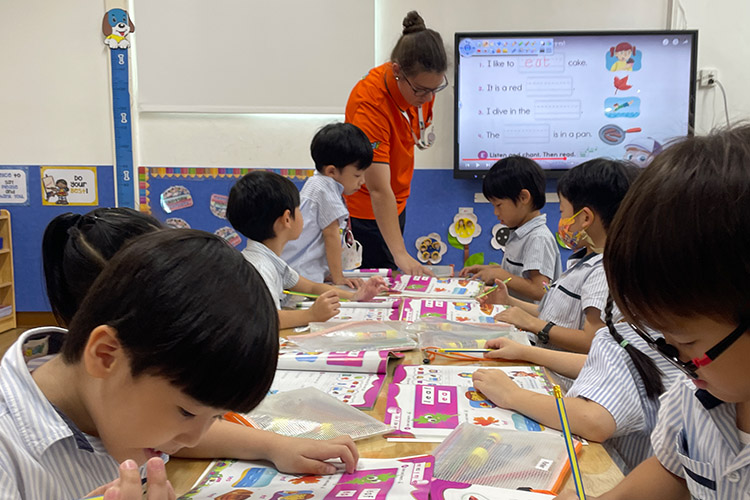
Essential TEFL graduates applying teaching methodology during classroom practice in Thailand

Teaching Practice and Phonics Training

Many teaching positions in Thailand involve teaching young learners. As a result, phonics plays an important role in many classrooms.

Teaching practice provides opportunities to apply phonics teaching techniques learned during training. Trainees develop confidence teaching:

  • Letter sounds and blending
  • Segmenting and CVC words
  • Reading and pronunciation activities
  • Early literacy support in primary classrooms

These skills are particularly valuable for teachers seeking positions in kindergarten and primary school settings.

Skills Developed Through Teaching Practice

Teaching practice helps trainees develop many of the practical skills schools expect from professional teachers.

Lesson Planning

  • Set clear lesson aims
  • Sequence activities effectively
  • Manage lesson timing
  • Select appropriate resources
  • Anticipate learner difficulties

Classroom Management

  • Give clear instructions
  • Manage transitions
  • Maintain learner engagement
  • Establish classroom routines
  • Encourage positive behaviour

Communication Skills

  • Explain concepts clearly
  • Check understanding
  • Elicit responses from learners
  • Adapt language for different levels
  • Monitor learner progress

Professional Reflection

  • Evaluate lesson effectiveness
  • Identify teaching strengths
  • Recognise areas for development
  • Apply feedback constructively
  • Set professional goals
The Teaching Practice Cycle
1
Plan
Prepare a lesson plan with clear aims and outcomes
2
Prepare
Organise materials, resources, and visual aids
3
Teach
Deliver the lesson using appropriate techniques
4
Feedback
Receive constructive guidance from experienced trainers
5
Reflect
Evaluate performance and identify ways to improve

Teaching Practice and Teaching Methodology

Teaching practice provides an opportunity to apply the teaching approaches studied throughout the programme. Trainees learn how to use different teaching techniques and methodologies depending on the needs of their learners. This includes:

  • PPP (Presentation, Practice and Production)
  • Student-centred learning
  • Guided practice activities
  • Speaking activities
  • Reading and writing activities
  • Learner engagement strategies
  • Differentiation techniques

Teaching practice helps trainees understand not only what these methods are, but when and how to use them effectively.

What Is Observed Teaching Practice?

Observed teaching practice is a common part of professional teacher training. During an observed lesson, trainees plan and deliver a lesson while receiving guidance and feedback from experienced trainers.

The purpose is not to find fault. The purpose is professional development. Observation allows trainees to receive practical advice and identify ways to improve their classroom performance.

Many teachers consider observation and feedback to be among the most valuable parts of their training.

TEFL With Teaching Practice vs Online TEFL

Many TEFL courses focus heavily on theory. While theoretical knowledge is important, teaching practice allows trainees to apply that knowledge in realistic teaching situations.

Classroom-based teaching practice helps develop confidence, classroom awareness, communication skills, and practical teaching ability. For many employers, practical classroom experience is one of the most valuable parts of teacher training.

Teaching practice helps prepare trainees for the realities of working with learners and managing a classroom.

Frequently Asked Questions

What is teaching practice in TEFL?+
Teaching practice is the process of applying teaching knowledge and skills in a classroom environment. It allows trainees to gain practical teaching experience while developing confidence and professional skills.
Why is teaching practice important?+
Teaching practice helps bridge the gap between theory and classroom experience. It provides opportunities to develop confidence, improve teaching techniques, and gain practical classroom experience.
Is teaching practice included in the Essential TEFL course?+
Yes. Teaching practice forms an important part of the programme and helps trainees apply their learning in practical teaching situations.
What is observed teaching practice?+
Observed teaching practice involves planning and delivering lessons while receiving feedback and guidance from experienced trainers. The purpose is professional development and continuous improvement.
Do I need previous teaching experience?+
No. Many trainees begin the programme with little or no teaching experience. Teaching practice is designed to help students gradually develop confidence and classroom skills.
Is TEFL with teaching practice better than learning theory alone?+
Teaching theory provides important knowledge, but teaching practice allows trainees to apply that knowledge in realistic classroom situations. Both are important parts of teacher development.
Will I receive feedback during teaching practice?+
Yes. Reflection and feedback are important parts of the teacher development process. Feedback helps trainees identify strengths, improve teaching techniques, and build confidence.
How does teaching practice help me find a job?+
Teaching practice helps develop many of the practical skills schools look for when recruiting teachers, including lesson planning, classroom management, communication skills, professionalism, and confidence.
Can teaching practice prepare me for teaching in Thailand?+
Yes. Teaching practice helps trainees develop many of the skills commonly required in Thai schools, including classroom management, learner engagement, lesson planning, phonics instruction, and professional communication.

From Trainee to Teacher

Every experienced teacher taught their first lesson at some point.

Teaching practice provides the opportunity to take that first step. It allows trainees to apply what they have learned, gain practical experience, receive professional feedback, and develop confidence in the classroom.

For many students, it is the moment when teaching stops being something they study and starts becoming something they do.

That is why teaching practice remains one of the most valuable and rewarding parts of teacher training.